A New Bacteria Has Been Linked to Tooth Decay
May 2, 2026
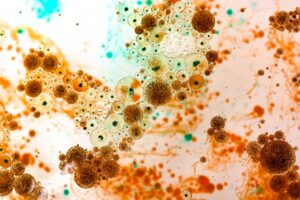
For many years, dentists and researchers have known that bacteria play a major role in tooth decay. One of the most well-known cavity-causing bacteria is Streptococcus mutans. However, scientists continue to discover that tooth decay is often more complex than a single type of bacteria acting alone. Recently, researchers identified another bacterium called Selenomonas sputigena — often shortened to S. sputigena — that may contribute to the development of cavities.
This discovery is helping researchers better understand how tooth decay forms and spreads.
What is S. sputigena?
S. sputigena is a type of bacteria normally found in the mouth. For years, it was not considered a major contributor to cavities because it does not directly damage teeth in the same way as some acid-producing bacteria.
However, recent studies suggest that S. sputigena may work together with cavity-causing bacteria to make tooth decay more severe.
Researchers found that this bacterium can interact with Streptococcus mutans and help create sticky bacterial communities known as biofilms or dental plaque.
How Does It Contribute to Cavities?
Dental plaque is a sticky film of bacteria that forms on the teeth. When plaque combines with sugars from food and drinks, bacteria produce acids that weaken tooth enamel and eventually create cavities.
Researchers believe S. sputigena may help organize and strengthen these harmful bacterial communities. Instead of acting alone, it appears to cooperate with other bacteria to create an environment where cavities can develop more aggressively.
Some studies suggest the bacteria may help plaque spread across tooth surfaces more efficiently, increasing the risk of enamel damage.
Why This Discovery Matters
Understanding how different bacteria interact inside the mouth may help improve future cavity prevention and treatment strategies.
Rather than focusing on only one type of bacteria, researchers are beginning to view tooth decay as the result of complex bacterial ecosystems working together. This could eventually lead to:
- Better cavity prevention methods.
- More targeted dental treatments.
- Improved oral care products.
- Earlier identification of high-risk patients.
Although research is still ongoing, discoveries like this provide valuable insight into the science of oral health.
Good Oral Hygiene Still Matters Most
Even with new discoveries about oral bacteria, the best ways to reduce cavity risk remain largely the same. Daily oral hygiene helps disrupt harmful plaque buildup before bacteria can damage teeth.
Important cavity-prevention habits include:
- Brushing twice daily with fluoride toothpaste.
- Flossing every day.
- Limiting sugary foods and drinks.
- Visiting the dentist regularly.
- Receiving professional cleanings and exams.
These habits help control bacterial growth and protect tooth enamel.
The discovery of S. sputigena highlights how complex tooth decay really is. Researchers now understand that cavities may result from multiple types of bacteria working together rather than a single organism acting alone. While scientists continue learning more about this newly linked bacterium, maintaining good oral hygiene and regular dental care remains the best defense against tooth decay and long-term oral health problems.
About the Practice
Need help in the fight against tooth decay and cavities? Turn to the professionals at Dental Expressions for excellent preventive care. Led by the talented and experienced Drs. Bob and Heather Heil, our team can provide you with everything from routine cleanings and checkups to sleep apnea therapy and much in between. Come see what makes us a trusted practice in the Freedom area. Book online or call (920) 788-6280.
No Comments
No comments yet.
RSS feed for comments on this post.
Sorry, the comment form is closed at this time.